If there is one thing I’ve learned after 12 years of navigating the hustle of the Sydney CBD event scene, it’s that a photographer is not just a person with a camera—they are a critical extension of your event management team. Whether you are managing a high-stakes gala dinner at the ICC or a series of corporate headshots for a client in the Inner West, the quality of your visual assets will live on long after the bump-out.
I’ve seen too many Professional Conference Organisers (PCOs) get caught out by vague deliverables and unrealistic timelines. When you're managing a conference, you don't have time to micromanage your lens-wielder. You need someone who understands the flow of a room, the importance of lighting in a windowless ballroom, and the precise moment a keynote business.cbdsydneychamber.com.au speaker hits their stride.
To help you nail your next brief, here is my definitive guide to the questions every PCO should ask their event photographer.
1. The "Big Picture" Scope: Moving Beyond "All the Photos"
One of my biggest pet peeves is the vague instruction, "Just give us all the photos." It’s a recipe for disaster. As a PCO, your conference organiser photo brief needs to be surgical. You aren't just documenting an event; you are building a library for your LinkedIn company page and your YouTube channel content.
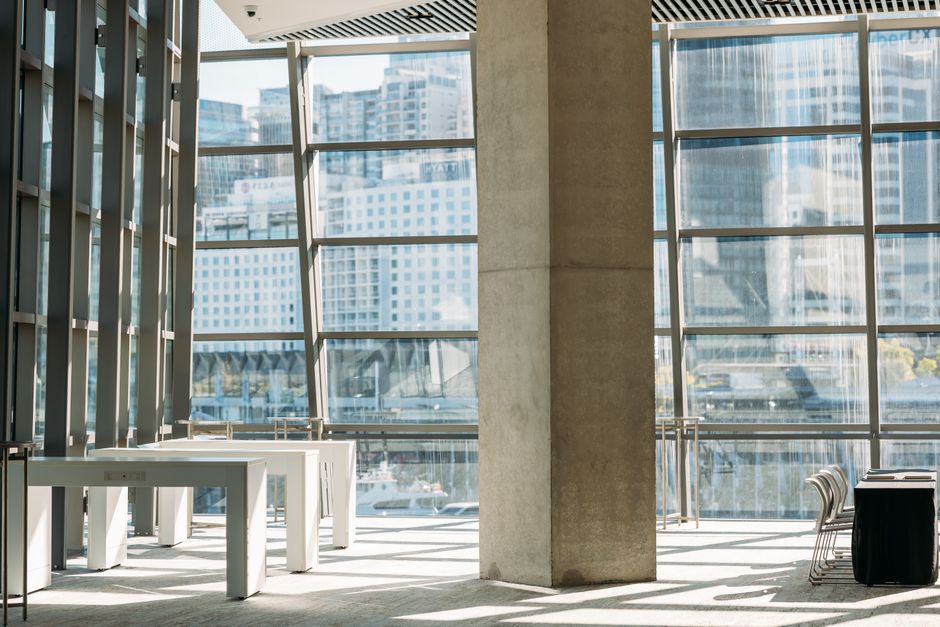
When you sit down with a partner like Orlando Sydney Corporate Photography, stop talking about "quantity" and start talking about "utility."
Questions to ask:
- "What is the specific breakdown of the shot list?" (Ask for a mix of wide-angle room shots, candid networking, and high-impact speaker captures). "How do you handle branding?" (Can you ensure the CBD Sydney Chamber of Commerce banner is visible in at least 20% of the key speaker shots?) "What is the editing scope?" (Are we talking colour correction only, or are we retouching faces for the gala dinner portraits?)
2. Logistics: The "Loading Zone" Reality Check
In Sydney, if you aren't thinking about the loading zone, you aren't doing your job. I always confirm bump-in times and the nearest freight elevator access. If your photographer is late because they were circling for parking in the CBD, you’ve already missed the first ten minutes of your opening keynote.
The PCO Checklist for Logistics:
Question Why it Matters What is your bump-in time? Ensures they are set before the first delegate walks in. Have you worked at [Venue Name] before? Knowing the lighting quirks saves you 30 minutes of setup. Where will you be stationed during the main keynote? Avoids them blocking the audience's view while trying to get "the shot."3. Managing Expectations: The Headshot Queue
I hear it all the time: "It’s just a 5-minute shoot for 300 people." Stop. That is mathematically impossible. A professional headshot requires rapport, lighting adjustment, and a quick review. After timing hundreds of sessions, I know that a quality headshot queue moves at about 4 to 6 minutes per person. If you cram 300 people into a day, you need two photographers and a clear, managed flow.
Ask your photographer:
- "What is your average turnaround time per person for a professional headshot?" "What is the minimum space required for a mobile studio setup?" "Can we provide a digital sign-up sheet to prevent a 'bottleneck' in the foyer?"
4. Delivering for Digital: LinkedIn and Beyond
We are living in an era where social proof is the lifeblood of marketing. If your event coverage requirements don't explicitly mention social media integration, you are wasting an opportunity. Your LinkedIn followers want to see high-energy highlights within 24 hours of the event closing.
Key questions regarding deliverables:
"Can you provide a 'Same-Day Edit' package for our social media team?" "Do you supply high-resolution files for print and web-ready sizes for LinkedIn?" "What is your standard turnaround time for the full gallery?" (Note: Don't let them overpromise—editing 500 images takes time).5. Professionalism and Synergy
Your photographer represents your brand. During a congress or a major gala dinner, they will be interacting with CEOs, sponsors, and speakers. You need someone who is invisible when they need to be, but authoritative when they need to direct a group shot.
Final questions for your vetting process:
- "How do you handle 'no-photo' requests from VIPs or internal legal constraints?" "Do you have experience with major expo coverage where flow and movement are constant?" "What is your contingency plan if a piece of gear fails during a keynote?"
The PCO’s Golden Rule: The Shot List
Never rely on memory. I keep a running checklist for every event I manage. Exactly.. My photography brief usually looks something like this:
- Signage: Close-ups of event branding for sponsors. Networking: Candid shots (not just people staring at the camera). Speaker "Action": The "clapping" shot, the "speaking" shot, and the "Q&A" shot. Atmosphere: Room-wide shots before the doors open (pristine tables, etc.).
By treating your conference organiser photo brief as a formal document, you eliminate the ambiguity that leads to "all the photos"—that generic, useless pile of blurry files that no one ever uses. Instead, you get a curated, high-impact asset pack that justifies the investment for the next financial year.
Ultimately, when you hire a professional for your corporate event photography in Sydney, you are paying for their ability to anticipate. If they know the lighting is going to be difficult, they should be the ones bringing the solution, not asking you for one. When you find that level of partnership, hold onto them tightly—and always, always double-check their bump-in time.