In my 11 years of managing trade compliance, I’ve sat on both sides of the table. I’ve been the one holding the internal audit binder when the outside counsel arrives, and I’ve been the one explaining to stakeholders why “we’ve always done it this way” is not a legal defense—it’s a neon sign for an enforcement action.
The enforcement landscape has shifted. We have moved from a world of passive compliance monitoring to an era of aggressive, policy-driven tariff enforcement. When the Department of Justice (DOJ) opens an investigation into tariff evasion, they aren't looking for innocent clerical errors; they are hunting for intent evidence.
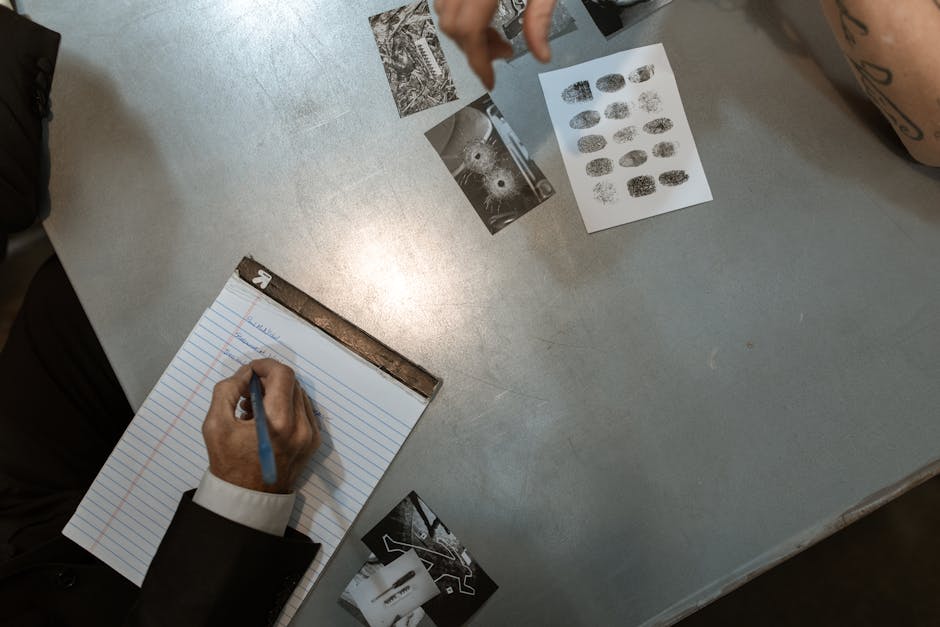
The Shift from Policy to Enforcement
Tariffs are no longer just revenue tools; they are instruments of foreign policy. Consequently, the DOJ and Customs and Border Protection (CBP) treat the evasion of these duties as a direct challenge to the government's regulatory authority. If you think your company is flying under the radar because your volume is relatively low, consider this: the government is increasingly using the False Claims Act (FCA) to turn whistleblowers into their primary investigators.
Legal takeaway: The FCA allows private citizens to sue on behalf of the government and keep a percentage of the recovery, making every disgruntled employee or competitor a potential investigator.
The Anatomy of Intent: What the DOJ Scrutinizes
When the DOJ knocks, they aren't interested in your HTS classification errors—those are civil administrative headaches. They are looking for fraud. They look for the intersection of emails and invoices to establish a narrative of deliberate deception.
1. The Paper Trail: Invoices vs. Reality
The most common red flag I encounter is the "hand-wavy" sourcing claim. If you claim your product is "Made in Vietnam" to avoid Section 301 duties, the DOJ will demand to see the invoice trail. If your invoices show the raw materials moving from a Chinese supplier directly to a Vietnamese Browse around this site factory for simple assembly, you have a problem.
The DOJ looks for:
- Discrepancies in shipping documents: Do the bills of lading show a transshipment point that doesn't align with the production timeline? Payment discrepancies: Do the invoices paid to the "factory" match the production capacity of that facility? Email communications: Do internal emails discuss "re-routing" or "re-labeling" to avoid tariffs? This is the smoking gun for intent.
2. Pattern of Entries: The Statistical Fingerprint
One-off mistakes happen. A pattern of behavior, however, is evidence of a systematic scheme. If your imports show a sudden, unexplained shift in origin that coincides exactly with a new tariff announcement, the DOJ will build a statistical profile of your entries.
Evidence Type What It Suggests Inconsistent Origin Claims Likely fraud or extreme negligence in vendor vetting. Frequent "Correction" Requests An attempt to mask errors before a potential audit. Sudden Sourcing Shifts Circumvention of tariff policy without corresponding supply chain changes.Common Schemes and the "We've Always Done It This Way" Fallacy
I hear this phrase every time I audit a client’s process: "But we've always done it this way." Let me be blunt: that is the most dangerous sentence in how to avoid tariff evasion penalties a compliance department. If you have been misclassifying goods or mislabeling origin for years, you haven't been "doing it right"; you have been building a years-long case for willful misconduct.
The DOJ looks for:
Transshipment: Moving goods through a third country solely to change the country-of-origin label. Undervaluation: Reporting a lower "first sale" price while paying the actual value to a related party to reduce the ad valorem duty base. Misclassification: Deliberately using an HTS code with a lower duty rate when a more specific, higher-duty code applies.Supply Chain-Wide Scrutiny and Third-Party Liability
You cannot outsource your liability. A common mistake importers make is blaming their customs broker or their foreign supplier for bad data. The DOJ views the importer of record (IOR) as the party responsible for the truthfulness of the entry.
If your supply chain is opaque, you are liable. The DOJ expects you to conduct robust due diligence on your vendors. If you are taking "Made in X" claims at face value without verified documentation, you are failing your duty of care.

Legal takeaway: Delegating the work does not delegate the legal responsibility for the accuracy of the declarations.
The Role of Intent Evidence in Whistleblower Cases
Under the False Claims Act, the DOJ doesn't need to prove that you broke the law; they need to prove that you knowingly submitted a false claim to the government. This is where emails and invoices become deadly. A single email from a supply chain manager asking, "How can we label this as Thailand-origin to skip the 25% duty?" is often enough to prove intent.
How to Defend Your Process
To stay out of the DOJ’s crosshairs, you must move away from "hand-wavy" compliance. You need a verifiable, document-heavy process:
- Audit Your HTS Classification: If you are relying on old classifications, perform a comprehensive scrub. Don't wait for a customs hold to find out your HTS codes are obsolete. Verify Origin Documentarily: If it isn't documented with a certificate of origin and verifiable production records, it isn't "Made in X." Centralize Communication: Keep a clear record of why classification and origin decisions were made. Documentation that shows a good-faith attempt to comply is your best defense against claims of willful intent.
Conclusion
The DOJ isn't looking for perfection; they are looking for honesty. If you discover a pattern of evasion, "we've always done it this way" will not save you. Voluntary disclosure, coupled with a complete overhaul of your internal controls, is the only way to mitigate the risk of a False Claims Act investigation. Stop relying on hearsay from suppliers, document every decision based on objective facts, and ensure your internal culture prioritizes compliance over convenience.