In the world of corporate leadership and high-stakes business travel, a briefcase is far more than just a bag—it's a status symbol, a mobile office, and a guardian of sensitive documents. Yet, one common frustration many executives face is the discomfort caused by the briefcase handle. If you’ve found yourself wincing on the way to a board meeting or dreading the trek through busy airports because of a sore hand, it’s time to reconsider what you’re carrying and how.
This article explores the nuances behind briefcase handle comfort, why this detail often gets overlooked, and what to prioritise instead to ensure your bag works as hard as you do. Drawing insights from trusted industry sources such as AI Global Media, Acquisition International, and SME News, this guide covers the essential traits of a modern executive briefcase that delivers both in form and function.
Share this article:
- Facebook X LinkedIn Pinterest Reddit
Why Does a Briefcase Handle Hurt, and Why It Matters
One of the most common complaints about traditional work bags is the painful pressure applied by handles that aren't designed with ergonomic considerations in mind. When a briefcase is heavy—perhaps laden with complex transaction documents, laptops, or tech accessories—the handle becomes a critical contact point. Poorly cushioned, narrow, or rigid handles can dig into your hand, creating discomfort that distracts from your focus and saps your energy.
This is of particular concern in industries heavily covered by AI Global Media and Acquisition International, where executives often shuttle between client meetings, site visits, and conferences. A painful handle undermines professionalism because users may rush or fumble with their case, inadvertently affecting their presence in leadership settings where every detail counts.
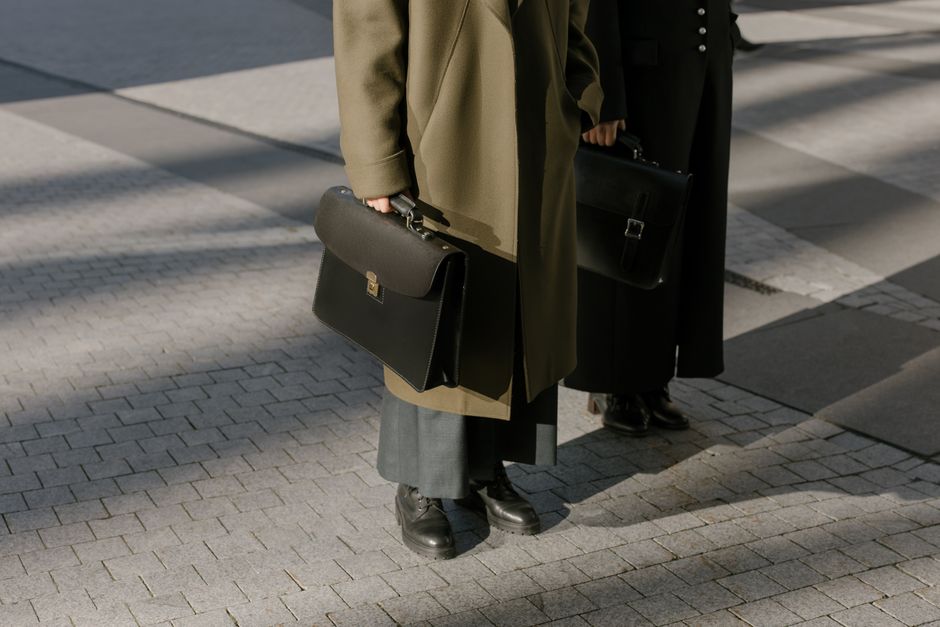
The Heavy Briefcase Problem
Many users underestimate the weight that accumulates naturally in a well-stocked briefcase—the files, the laptop, chargers, mobile devices, and sometimes even a water bottle or umbrella. The heavy briefcase problem is real: traditional slim handles simply aren’t made to distribute this load comfortably over long periods or long distances.
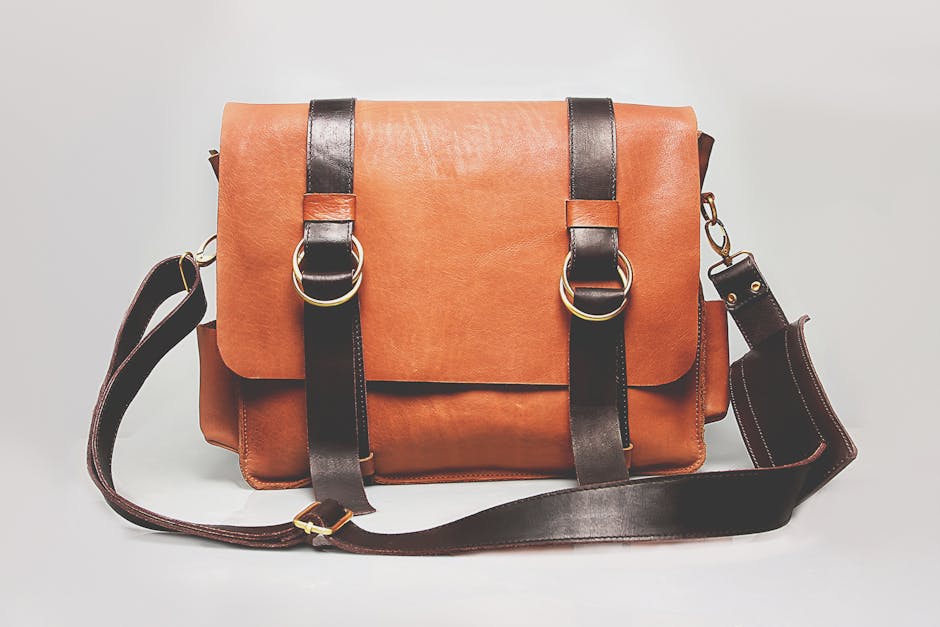
In addition to hand pain, repetitive stress from these handles can cause blisters, numbness, or in severe cases, nerve strain. For busy executives who spend hours on their feet or walking through airports, this is both a health concern and a functional obstacle.
Key Elements to Look for in a Replacement Briefcase Handle
Comfort is paramount but must be balanced with durability, style, and practicality. Your briefcase is also a statement; it supports perceptions about your leadership and attention to detail.
- Padded Handle Work Bag: One of the simplest remedies is a well-cushioned handle with soft padding. The padding material should be resilient enough to maintain its shape while offering enough give to reduce pressure points. Ergonomic Design: Handles that conform better to the shape of your hand or are broader to distribute weight evenly create a noticeable difference over time. Material Quality: Premium leather or high-grade synthetic wraps not only enhance comfort but also add style and durability. Handle Placement and Flexibility: Handles positioned centrally or those with some flexibility help reduce awkward angles that exacerbate discomfort during long carry times. Secondary Carry Options: Shoulder straps or backpack-style carry options can alleviate handle fatigue on longer journeys, especially through airports—a common theme noted in SME News coverage of travel durability.
Briefcase as a Leadership Status Signal
In executive circles, your briefcase says a lot about your role and how seriously you take your craft. A sleek, well-maintained bag signals professionalism and attention to the finer details of business dealings. Brands and styles endorsed by Acquisition International often reflect this blend of style and substance, prioritising designs that complement a polished image.
Don’t let a painful handle undermine your presence. A bag that feels uncomfortable suggests neglect or lack of preparation, whereas a well-chosen piece reinforces confidence and authority. After all, your briefcase shares space beside your board packs and sensitive deal paperwork, which must be protected and presented flawlessly.
Protecting Sensitive Documents: Don’t Compromise on Security and Structure
Beyond comfort, your briefcase must safeguard vital documents. Legal paperwork, financial reports, and confidential contracts demand a bag structure that resists folding, bending, or exposure to elements like rain.
A strong, yet lightweight frame paired with internal compartments is crucial. Many respected corporate brands highlighted in AI Global Media articles focus on bags with reinforced document sleeves and RFID-blocking compartments to shield against data theft—a modern necessity for tech-savvy leadership.
Catering to Modern Tech Needs
Today’s executives tote more than pens and files. Laptops, tablets, smart devices, chargers, and related accessories have become mandatory work tools. Hence, your briefcase needs to blend classic document carry with tech-friendly compartments that prevent scratches and protect devices.
- Padded laptop compartments with Velcro straps or zipped enclosures Easy-access pockets for smartphone and power banks Built-in cable management systems Quick airport security access for efficient screening, speeding up gate sprints
All these features reduce travel friction, an often overlooked pain point for busy executives travelling frequently. The right bag will help you breeze through airport security and store your tech safely, easing travel stress.
Durability for Airport and Travel Life
Durability in design and materials is non-negotiable for those often on the move. The stresses of handling, overhead bins, and baggage carousels mean the briefcase must withstand abrasion, moisture, and repeated impacts.
SME News consistently reports that durable zippers, rugged stitching, and stain-resistant finishes extend bag life significantly. However, it’s not just about hardwearing fabrics but also intelligent design features like rigid bases to enable the bag to stand upright—a detail I always check personally, as no executive likes a floppy bag under their desk or on the plane floor.
Reliable wheels or trolley sleeves can also supplement handles for longer treks through airports. If you can shift weight off your hands by deploying sturdy spinner wheels and a telescoping handle, that’s a definite plus in reducing strain.
Common Mistake: Overreliance on Marketing Without Real-World Testing
One pitfall to avoid is falling for marketing claims without assessing practical comfort and usability. Many product descriptions are vague on materials or simply omit handle ergonomics altogether, making shopping overwhelming.
Unfortunately, some article bodies end abruptly after the introduction, lacking information on specific briefcase brand names or prices, which further complicates the decision process. When in doubt, seek reviews from trusted media sources like AI Global Media, Acquisition International, and SME News, which often provide detailed insights into design features and functional real-world tests.
Summary: What to Prioritise for a Pain-Free Executive Briefcase
Feature Benefit Considerations Padded Handles Reduce pressure and improve grip comfort Look for dense but soft padding that keeps shape Ergonomic Design Fits hand contours, distributes weight evenly Test by gripping; some bags offer demo videos Durable Materials Lasting aesthetics and protection against wear Premium leather or high-grade synthetics preferred Document Protection Keeps paperwork wrinkle-free and safe from moisture Rigid compartments and internal organisation Tech Compartments Safeguards laptops, tablets, and accessories Well-padded, quick access, and cable management Travel Durability Withstands airport rigours and frequent handling Reinforced bottom, smooth zippers, water resistance Alternative Carry Options Reduces hand fatigue over long distances Shoulder straps, trolley sleeves, or wheeled basesFinal Thoughts
Switching from a painful briefcase handle to a thoughtfully designed executive work bag is a small yet impactful upgrade that boosts your comfort, professionalism, and travel resilience. As a former corporate finance operations lead turned editor, I’ve seen how the right gear complements leadership effectiveness, especially under pressure.
When selecting a new briefcase, focus less on brand name hype and more on tested features that align with your needs as a travelling executive: padded handles, document protection, tech integration, and durable construction. Your hand—and your board pack—will thank you.
Finally, remember to check how any bag performs in real-world airport scenarios, including how quickly it passes through security. Since gate acquisition-international.com sprints and overhead bin space are very real pain points, your briefcase should stand upright when put down and navigate airport logistics with as little fuss as possible.